Maine Coon Cat Guide
Everything you need to know about the Gentle Giant of the cat world. Written for families considering the elegant, affectionate European Maine Coon.
This guide covers personality, care, health, and what to expect when bringing home one of the most beloved cat breeds in the world.
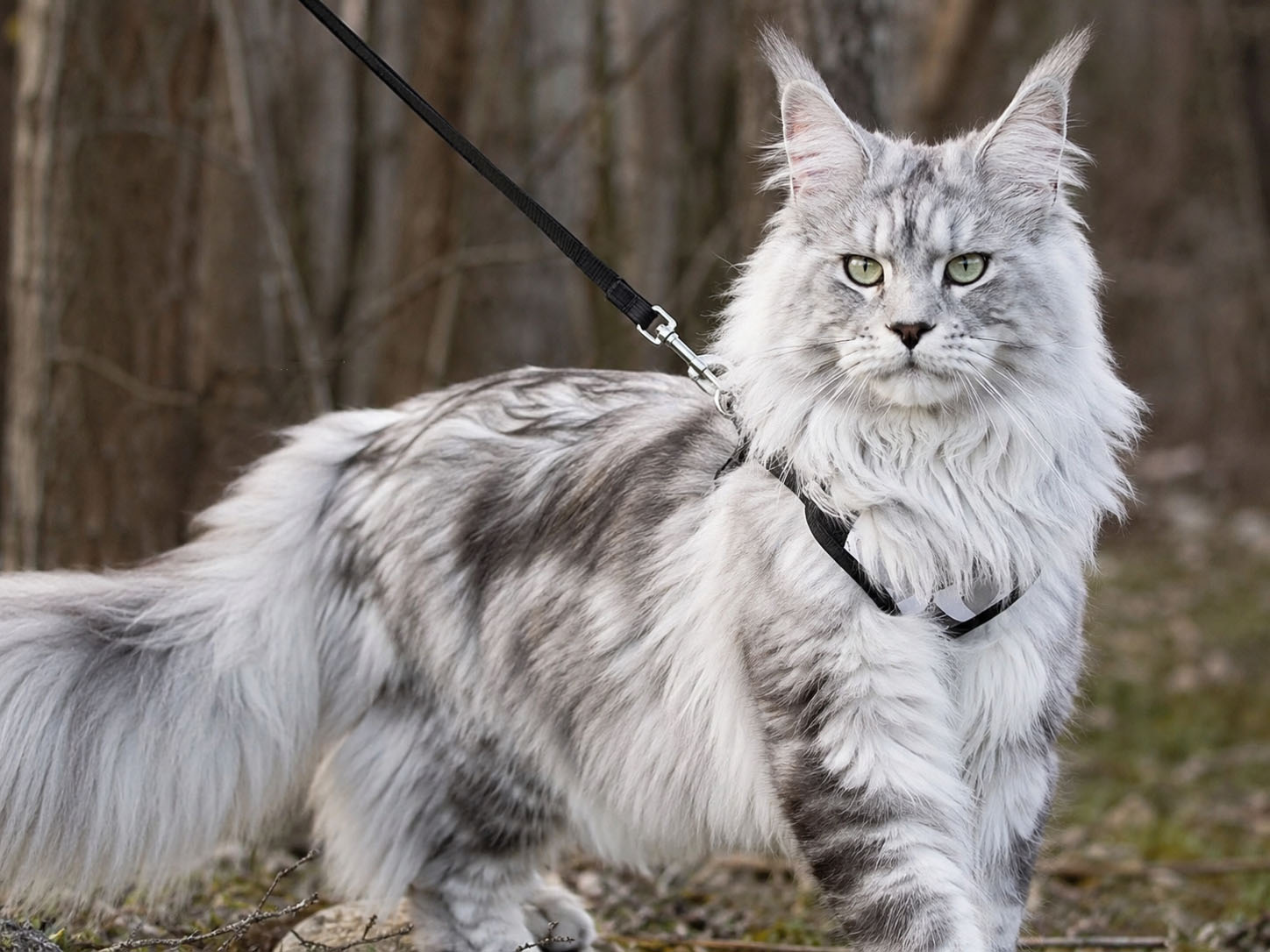
Table of Contents
Use the links below to jump to any section of the guide.
History of the Maine Coon
The Maine Coon is one of the oldest natural cat breeds in North America. The breed traces its roots to the northeastern United States, where hardy longhaired cats adapted to the harsh winters of Maine. Their heavy coats, tufted paws, and sturdy frames were shaped by generations of life in a demanding climate.
As the breed developed, Maine Coons earned a reputation as skilled working cats on farms, ships, and in family homes. Their intelligence, size, and easygoing nature made them beloved companions long before formal cat associations recognized them.
Today the Maine Coon is often called the Gentle Giant of the cat world. The nickname reflects both their impressive size and their calm, affectionate personality. Despite their large presence, they are known for a soft, patient temperament and a deep love of family life.
A common myth suggests the breed descends from raccoons or lynxes. Genetically that is not possible. The truth is simpler and just as beautiful. The Maine Coon evolved from longhaired cats brought to North America by early settlers and seafarers, then shaped by the New England climate into the breed we know today.
Personality
Living with a Maine Coon is a warm, everyday kind of joy. They enjoy being part of the household, following you between rooms, greeting you at the door, and settling in nearby while you work or relax.
Affectionate
Warm, gentle, and devoted, Maine Coons love being close to their people without being clingy.
Intelligent
Curious problem-solvers who enjoy puzzle toys, learning routines, and simple training.
Family Oriented
Happiest at the center of family life, often following their favorite people from room to room.
Loyal
Maine Coons form strong bonds and tend to stay closely connected to their household for life.
Social
Friendly and welcoming with visitors, other cats, and cat-friendly dogs when introduced gradually.
Gentle
Despite their size, Maine Coons are known for a soft, easy temperament and light-handed play.
Playful
They keep a kitten-like sense of fun well into adulthood, enjoying feather wands and interactive toys.
Dog-Like Qualities
Many will greet you at the door, learn their name, come when called, and even play fetch.
Adaptable
Maine Coons settle well into apartments, family homes, and multi-pet households with steady routines.
The Gentle Giant
Maine Coons mature slowly. Unlike most breeds that finish growing at 1 to 2 years, Maine Coons continue developing size and coat until around 3 to 5 years of age.
The first year is all about steady, healthy growth. Bone structure, muscle, and coat develop through the second and third years, and many Maine Coons continue filling out until year four or five. This slow maturity means your kitten will feel like a kitten longer, which is one of the most delightful parts of the breed.
Consistent nutrition, regular veterinary care, and a stable home environment support healthy development throughout these growth years.
The Maine Coon Silhouette
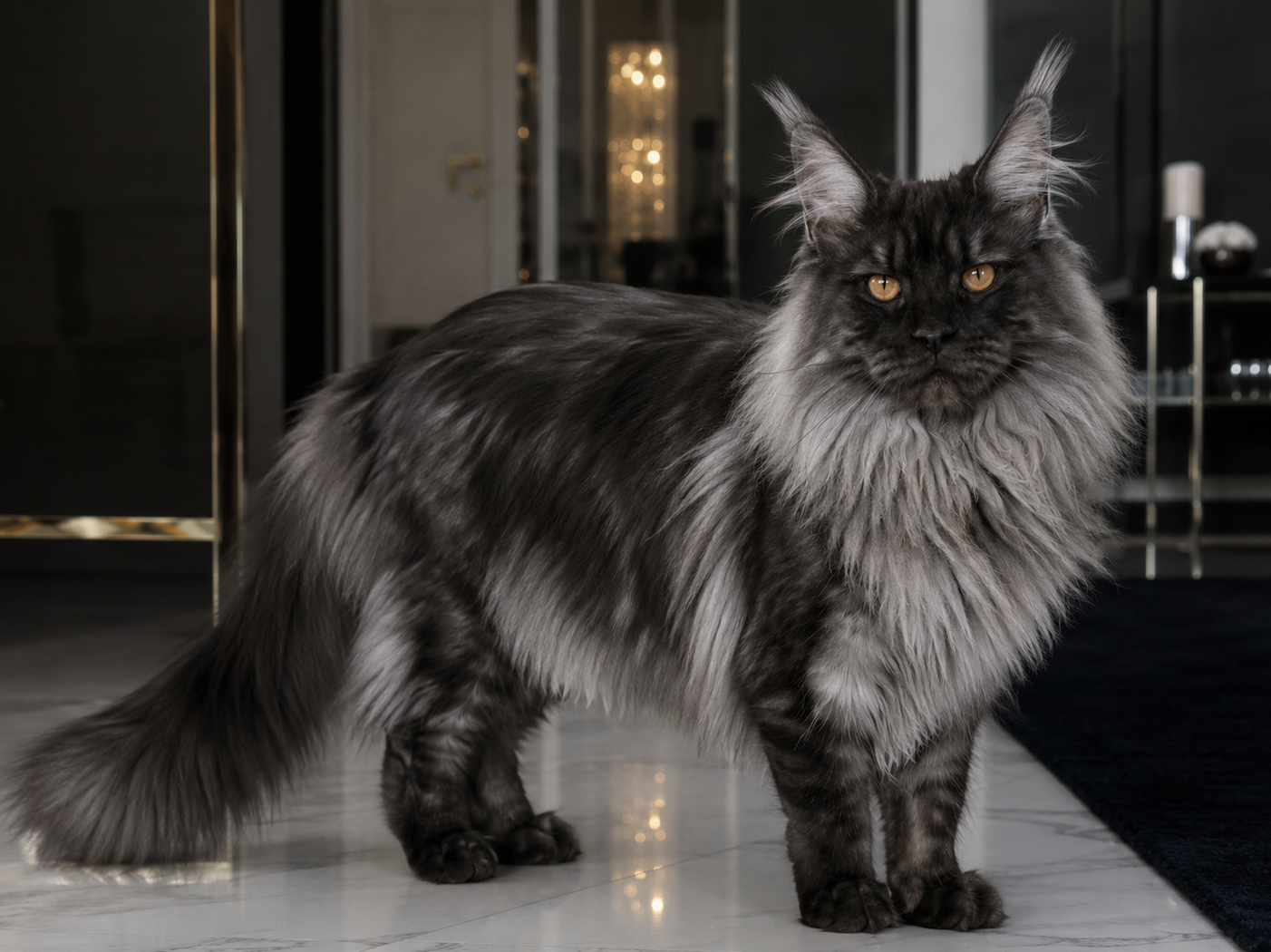
Every feature of the Maine Coon reflects a breed built for beauty, strength, and function.
Large Bone Structure
Substantial, rectangular frames with heavy bone that supports the breed's impressive size.
Long Body
Maine Coons have a long, muscular body that gives them a commanding presence in profile.
Large Paws
Wide, tufted paws designed for snowy climates, adding to the breed's rugged look.
Ear Furnishings
Long tufts of hair inside the ears frame the face and highlight the alert expression.
Lynx Tips
Tall lynx tips on top of the ears are one of the breed's most iconic features.
Long Tail
A long, heavily plumed tail balances the body and adds to the majestic silhouette.
Heavy Mane
A full ruff around the neck and chest gives Maine Coons their signature lion-like look.
Strong Muzzle
A defined, square muzzle and strong chin support the breed's noble expression.
What Makes a Maine Coon Unique?
Discover the distinctive physical characteristics that make the Maine Coon one of the world's most recognizable and admired cat breeds. Tap any point to learn more.
Ear Tufts & Lynx Tips
Maine Coons are known for their tall, wide-set ears crowned with dramatic lynx tips and abundant furnishings. These tufts enhance the breed's expressive appearance while helping protect the ear canal from cold and debris.
Coat Colors & Patterns
Maine Coons come in a beautiful range of colors and patterns. Below are the coats we most often see in the breed.
Discover each coat color. Tap a card to reveal more. (On desktop, hover over a card.)
Grooming
Maine Coons carry a beautiful, semi-long coat that stays healthy with a simple, consistent routine.
Brushing
Brush two to three times per week using a wide-tooth comb and a slicker brush to keep the coat smooth and reduce shedding.
Coat Maintenance
Focus on the belly, chest ruff, and rear britches where mats form most easily. Regular grooming prevents tangles.
Bathing
Occasional baths every 6 to 8 weeks help keep the coat clean and healthy, especially for lighter colors.
Nail Trimming
Trim nails every two to three weeks. Start early so kittens learn to relax through the routine.
Ear Cleaning
Check ears weekly and gently clean with a vet-approved solution when needed. Look for redness or excess wax.
Dental Care
Brush teeth several times per week with feline toothpaste. Dental health protects overall wellness.
Feeding a Maine Coon
Because Maine Coons grow slowly and reach a large size, quality nutrition matters from the first day home.
High Quality Nutrition
Choose foods with real animal protein as the first ingredient. Maine Coons thrive on premium wet and dry diets.
Hydration
Fresh water is essential. Many Maine Coons prefer a running fountain, which encourages steady daily drinking.
Wet Food
Wet food supports urinary health and adds valuable moisture, especially important for large-breed cats.
Protein
A protein-forward diet supports the breed's slow, sustained muscle development through the first several years.
Healthy Growth
Growing Maine Coons need consistent, complete nutrition to support strong bones and steady development.
Weight Management
Portion meals and limit treats. Their large frame can hide weight gain, so regular check-ins matter.
Exercise & Enrichment
Maine Coons enjoy steady daily activity. They are not as high energy as some breeds, but they love climbing, playing, and being included in family routines.
Cat Trees
Tall, sturdy cat trees give Maine Coons room to climb, perch, and survey their environment.
Interactive Toys
Wand toys, puzzle feeders, and rotating toy selections keep their curious minds engaged.
Climbing
Wall-mounted shelves and window perches offer safe vertical space that Maine Coons love.
Scratching
Multiple scratching posts and pads protect furniture and support natural stretching behavior.
Cat Wheels
Cat exercise wheels give indoor Maine Coons a healthy outlet for daily running and play.
Daily Play
Two short interactive play sessions per day help maintain a healthy weight and a strong bond.
Health & Genetic Testing
Responsible breeding starts with health testing. Genetic screening allows breeders to make informed pairings and reduce the risk of inherited conditions.
HCM
Hypertrophic Cardiomyopathy is the most well-known heart condition in Maine Coons. Responsible breeders test parents to reduce risk.
SMA
Spinal Muscular Atrophy is a genetic condition that can be screened with a simple DNA test in breeding cats.
PKDef
Pyruvate Kinase Deficiency affects red blood cells and can also be identified through genetic testing in parents.
Genetic Testing
All of our breeding cats are genetically tested, giving families confidence in the long-term health of their kittens.
Veterinary Care
Annual exams, vaccinations, and dental checks help Maine Coons stay healthy throughout their lives.
Longevity
With responsible care and health testing, Maine Coons typically live 12 to 15 healthy, active years.
Every one of our Maine Coon parents is DNA tested for HCM, SMA, PKDef, and other breed-relevant conditions. This is the foundation of a healthy kitten and a lifetime of joy at home.
Living with Children
Maine Coons are often called the ideal family cat. Their calm, patient nature and gentle way of interacting make them a natural companion for children of all ages.
They tolerate handling well, tend to walk away rather than react when overwhelmed, and often seek out the youngest members of the household on their own.
As with any cat, teach children to interact respectfully, avoid rough handling, and give the cat quiet time when needed. With those basics in place, the friendship between a Maine Coon and a child can become one of the most meaningful parts of childhood.
Living with Dogs
Maine Coons generally adapt well to respectful, cat-friendly dogs. Their confident, easygoing personality helps them settle into multi-pet homes with less stress than many breeds.
Introductions should be gradual. Start with scent swapping, then short supervised visits behind a barrier, and finally open interactions once both animals seem relaxed. A quiet retreat space for the cat is important during this transition.
Once bonded, Maine Coons and dogs often become steady daily companions who nap, play, and share space comfortably.
Living with Other Cats
Maine Coons are social by nature and typically enjoy the company of other cats. Many owners find their Maine Coon thrives with a feline companion who matches their temperament.
Slow introductions work best. Separate rooms, scent exchange, and controlled first meetings help both cats build a positive association with each other.
Once established, Maine Coons often become the calm, welcoming presence in a multi-cat household.
Indoor vs Outdoor Living
We strongly recommend indoor living for Maine Coons. Their trusting, sociable nature makes them vulnerable outdoors, and their striking appearance can attract unwanted attention. Indoor cats are protected from traffic, predators, disease, and theft.
Indoor living does not mean boring. A well-enriched home offers everything a Maine Coon needs to feel fulfilled. Tall cat trees, window perches, wall shelves, puzzle feeders, and daily play sessions provide the mental and physical activity they enjoy.
For safe outdoor experiences, consider a secure catio, a fully enclosed patio, or harness training. Many Maine Coons enjoy calm walks and outdoor sights when introduced gradually and with patience.
Cost of Ownership
Bringing home a Maine Coon is a long-term commitment. Understanding the expected costs helps families plan for a happy, healthy life together.
Food
Premium wet and dry food averages $60 to $120 per month depending on the diet you choose.
Veterinary Care
Plan for annual exams, vaccinations, and dental care. Set aside a reserve for unexpected visits.
Insurance
Pet insurance is a smart investment for large breeds and typically ranges from $30 to $70 per month.
Grooming
Brushes, combs, and occasional professional grooming keep the coat in excellent condition.
Supplies
Cat trees, scratchers, large litter boxes, carriers, and enrichment toys are important one-time and ongoing costs.
Long-Term Commitment
A Maine Coon is a 12 to 15 year commitment. Consistent care, love, and attention are the greatest investment.
Choosing a Responsible Maine Coon Breeder
A great breeder gives your family the strongest possible start. Here is what to look for when choosing where to bring home your Maine Coon.
Health Testing
Look for breeders who genetically test breeding cats for HCM, SMA, and PKDef and share results openly.
Registration
Reputable breeders register their cats with recognized associations such as TICA or CFA.
Transparency
Expect clear pedigrees, honest conversations, and the opportunity to ask detailed questions.
Socialization
Kittens should be raised inside the home with daily handling, exposure to household sounds, and gentle interaction.
Veterinary Care
Kittens should go home with age-appropriate vaccinations, deworming, a veterinary exam, and full medical records.
Ethical Breeding
Responsible breeders limit litters, retire breeding cats at appropriate ages, and prioritize health over quantity.
Lifetime Breeder Support
A trustworthy breeder stays available to answer questions and support your family for the life of the cat.
Maine Coon vs Savannah Cat
Both breeds are extraordinary. This comparison helps families understand which may be the best fit for their home and lifestyle.
Frequently Asked Questions
Ready to Find Your Maine Coon?
Explore our current Maine Coon kittens or join the waitlist to be first in line for future litters. We are always happy to answer your questions.